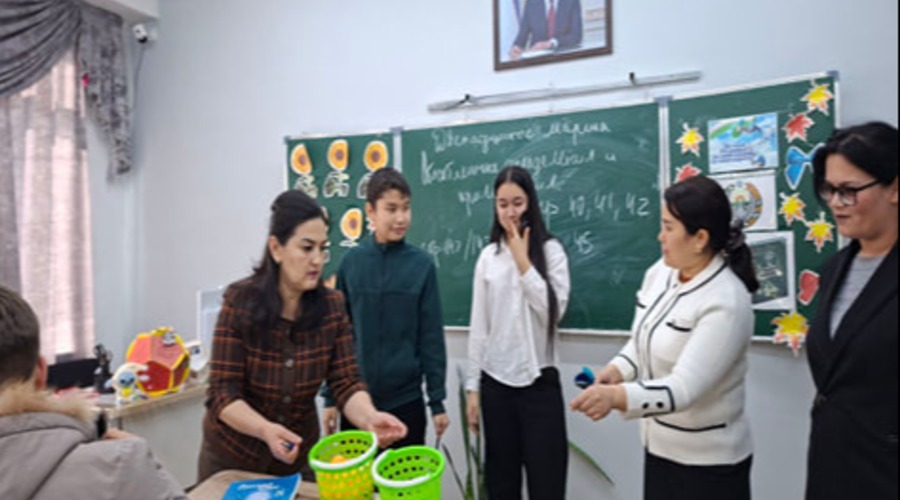
“Additional Opportunities for Supporting Youth Initiatives”
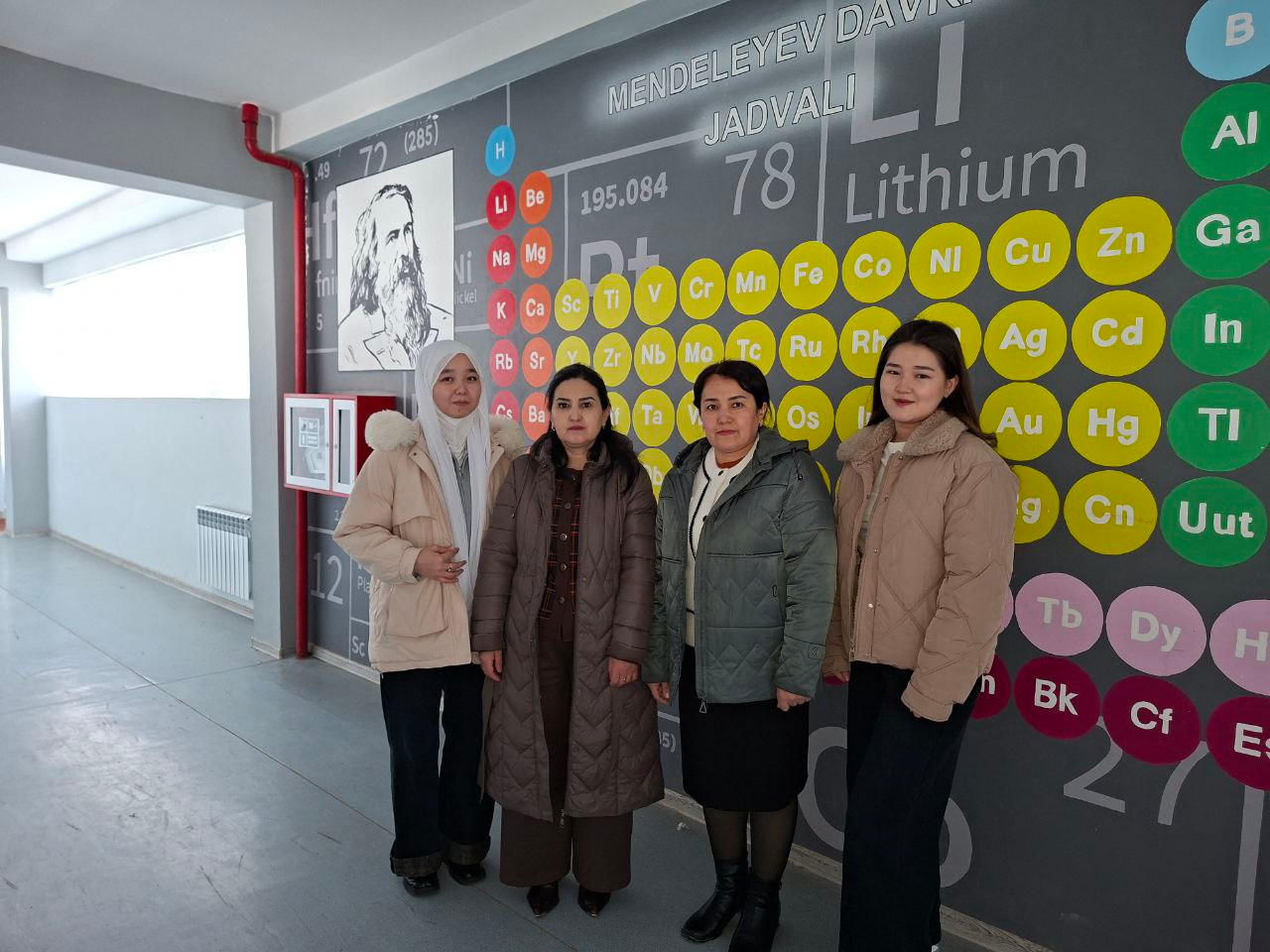
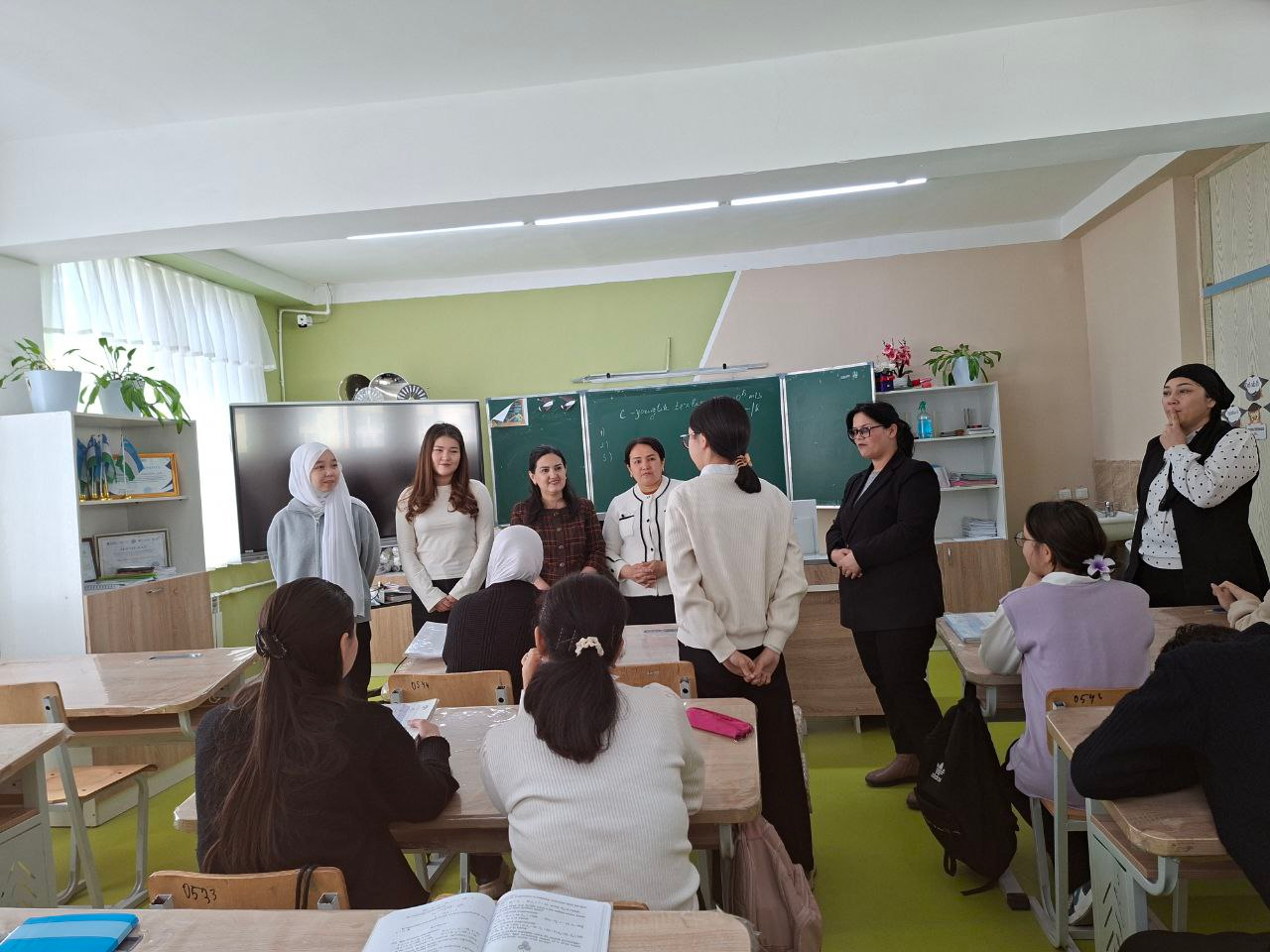
On 18 May 2025, faculty members of the Department of General Pedagogy—M. Q. Raxmanova, R. Musurmonov, X. A. Kadirova, S. R. Abdalova, X. Ochilova, R. R. Karimov, D. E. Karshiyeva, Z. M. Kabirova, N. Y. Perdesheva, M. Ernazarova, I. V. Qaynarova and M. S. Janbayeva—visited General Secondary School No. 20 in Chirchik to support youth initiatives.
As part of Youth Day, the “Amazing Brain” programme was introduced. School students were familiarised with exercises designed to stimulate cognitive activity. Particular attention was paid to selecting tasks appropriate to the children’s ages and developmental characteristics. Visual imagery, literary devices and practical exercises were suggested as ways to help students remember the content of a text.
Interactive games involving the correct use of punctuation were proposed for younger schoolchildren. Working with geometric shapes in mathematics lessons was considered a means of developing students’ spatial thinking and cognitive engagement.
The development of creativity also involves neurophysiological processes. The importance of regularly organising activities that encourage students’ creativity was therefore highlighted. Incorporating a neuropedagogical approach into Youth Day activities can help address students’ individual learning needs, develop their learning abilities and strengthen their emotional stability.
Having students prepare drawings, stories and videos about teachers and then discuss the images portrayed provides an opportunity to examine their perceptions of teachers and the teaching profession. Such activities contribute to teachers’ professional development, improve the quality of teaching and education, and encourage the active involvement of all participants in the educational process.
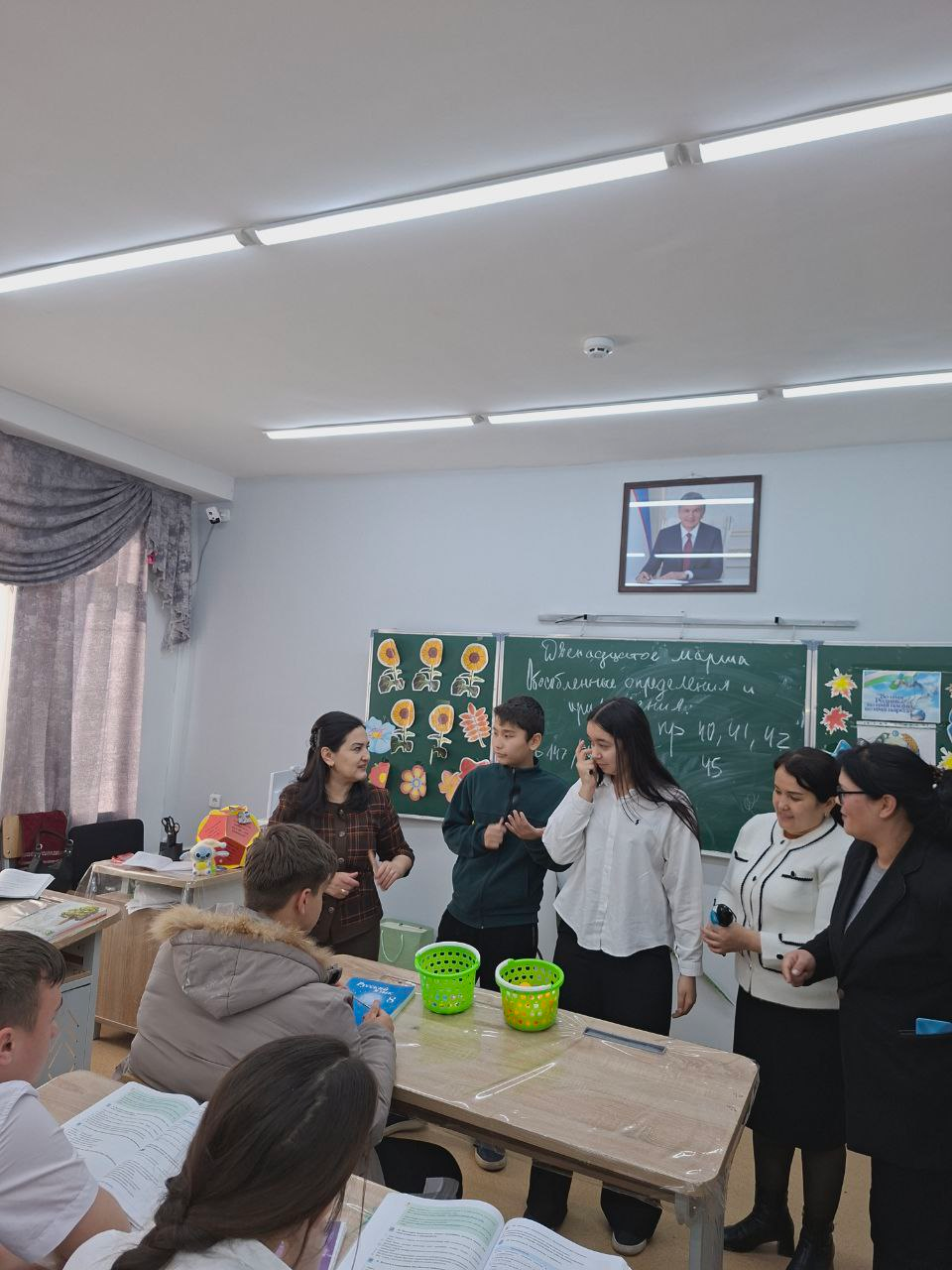
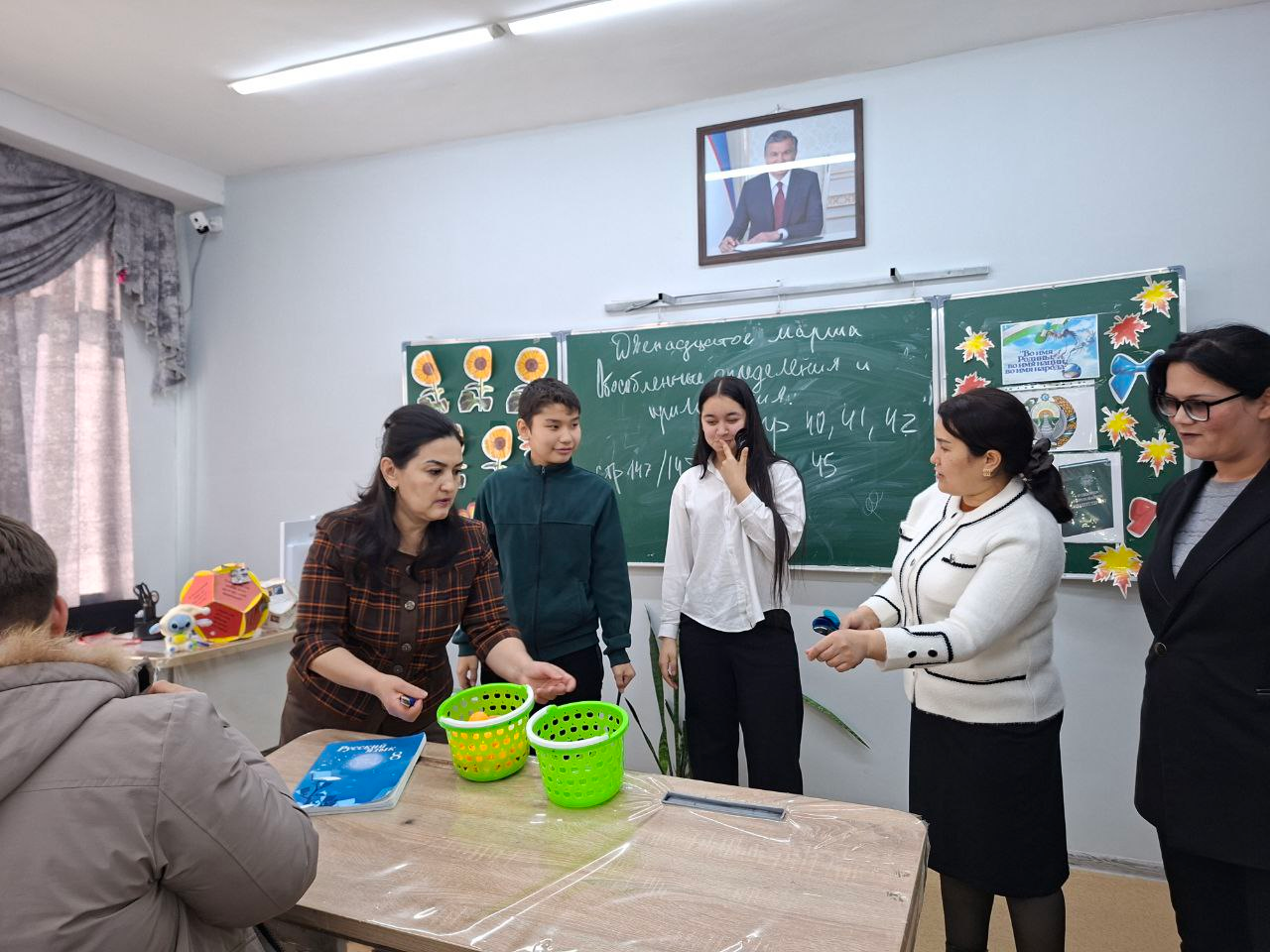
Students’ creation of drawings, stories and videos about teachers, followed by discussions of the portrayals, provides an opportunity to analyse their perceptions of teachers’ work and the teaching profession. These activities contribute to teachers’ professional development, improve the quality of teaching and upbringing, and encourage greater engagement among participants in the educational process.