Department of Uzbek Literary Studies
Established in 2021, the Department of Uzbek Literary Studies at Chirchik State Pedagogical University focuses on nurturing a new generation of highly qualified specialists in Uzbek literary analysis. The department aims to integrate modern educational programs and innovative technologies into its teaching, individualize student learning, and expand international collaborations. Its research encompasses various aspects of Uzbek literature, including teaching methodologies, poetics of religious themes, the works of Alisher Navoi, literary translation, comparative literary studies, interpretation of historical figures, and Jadid literature.
2021
6
318
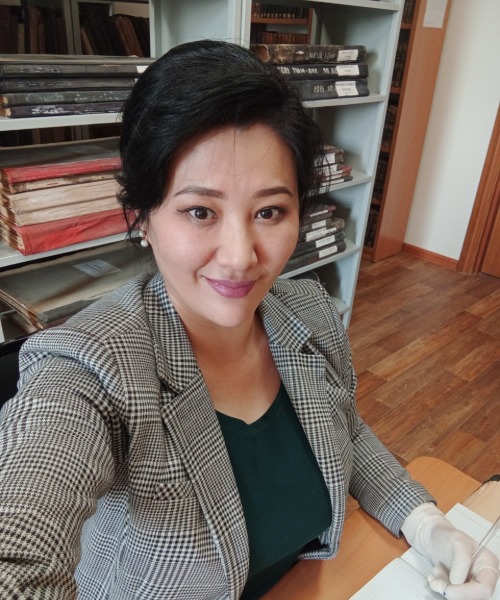
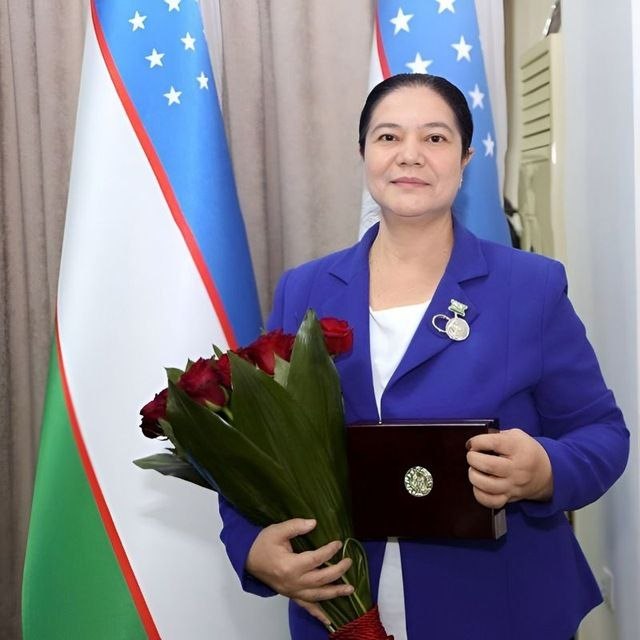
Xolikova Nodira Jahongirovna
O‘zbek adabiyotshunosligi kafedrasi mudiri
Doctor of Philological Sciences



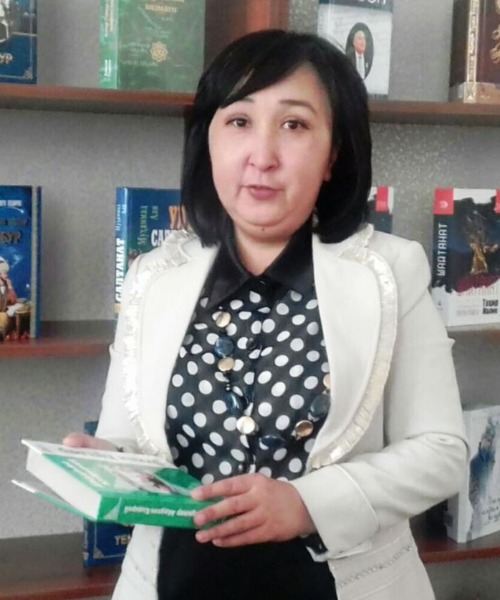

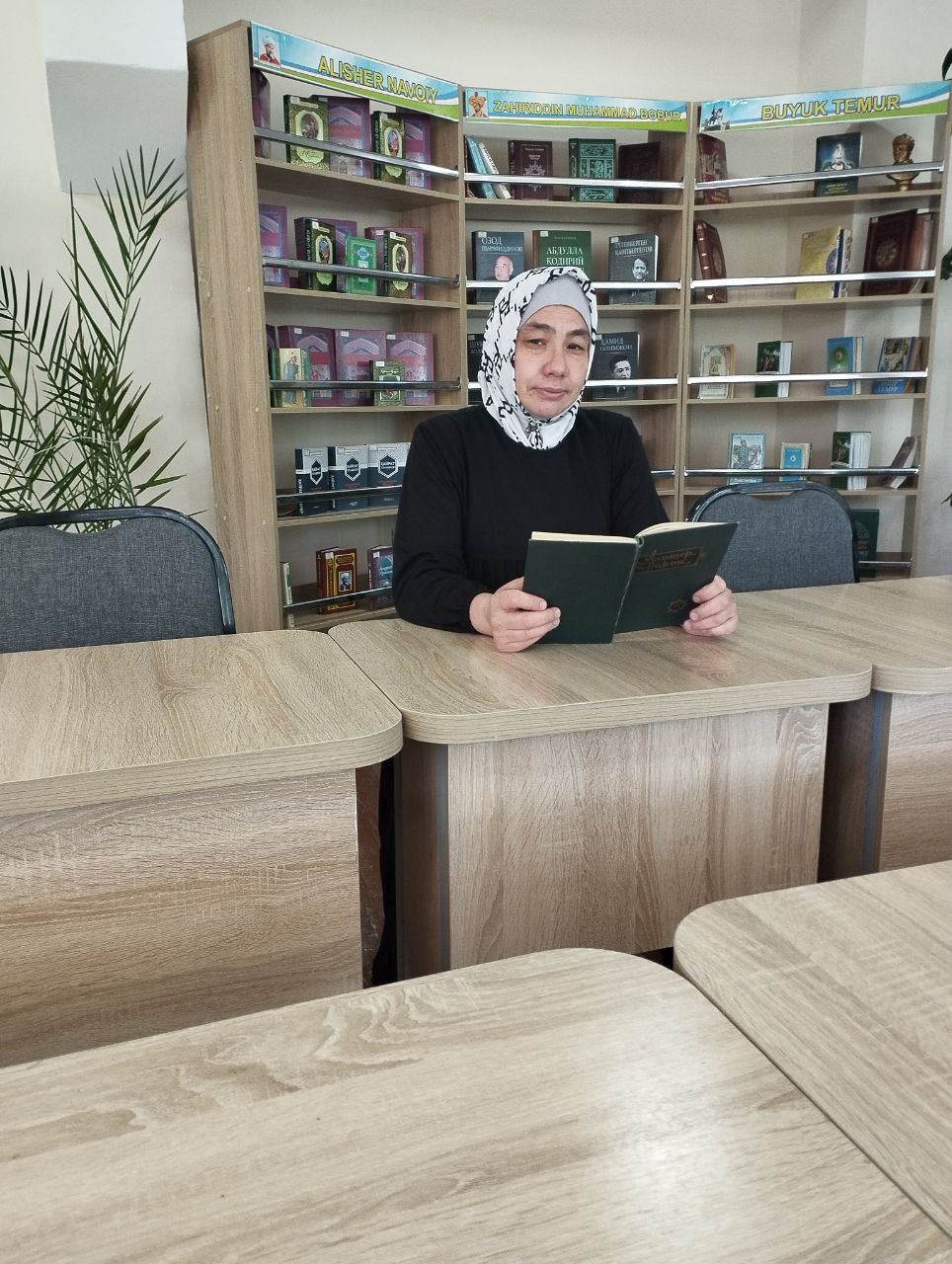
Tog‘ayeva Gulandom Jummayevna
Kafedra dotsenti

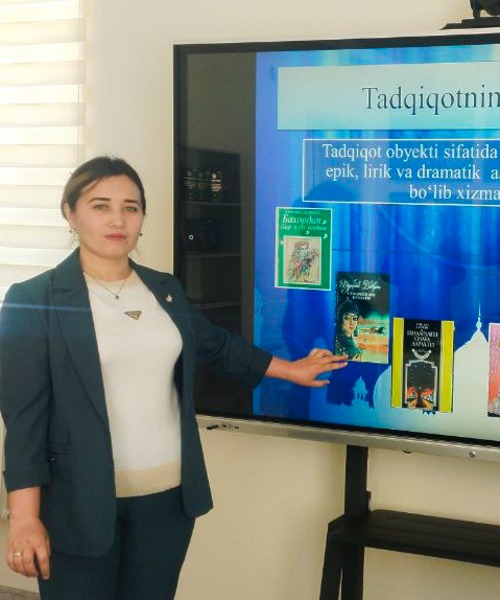
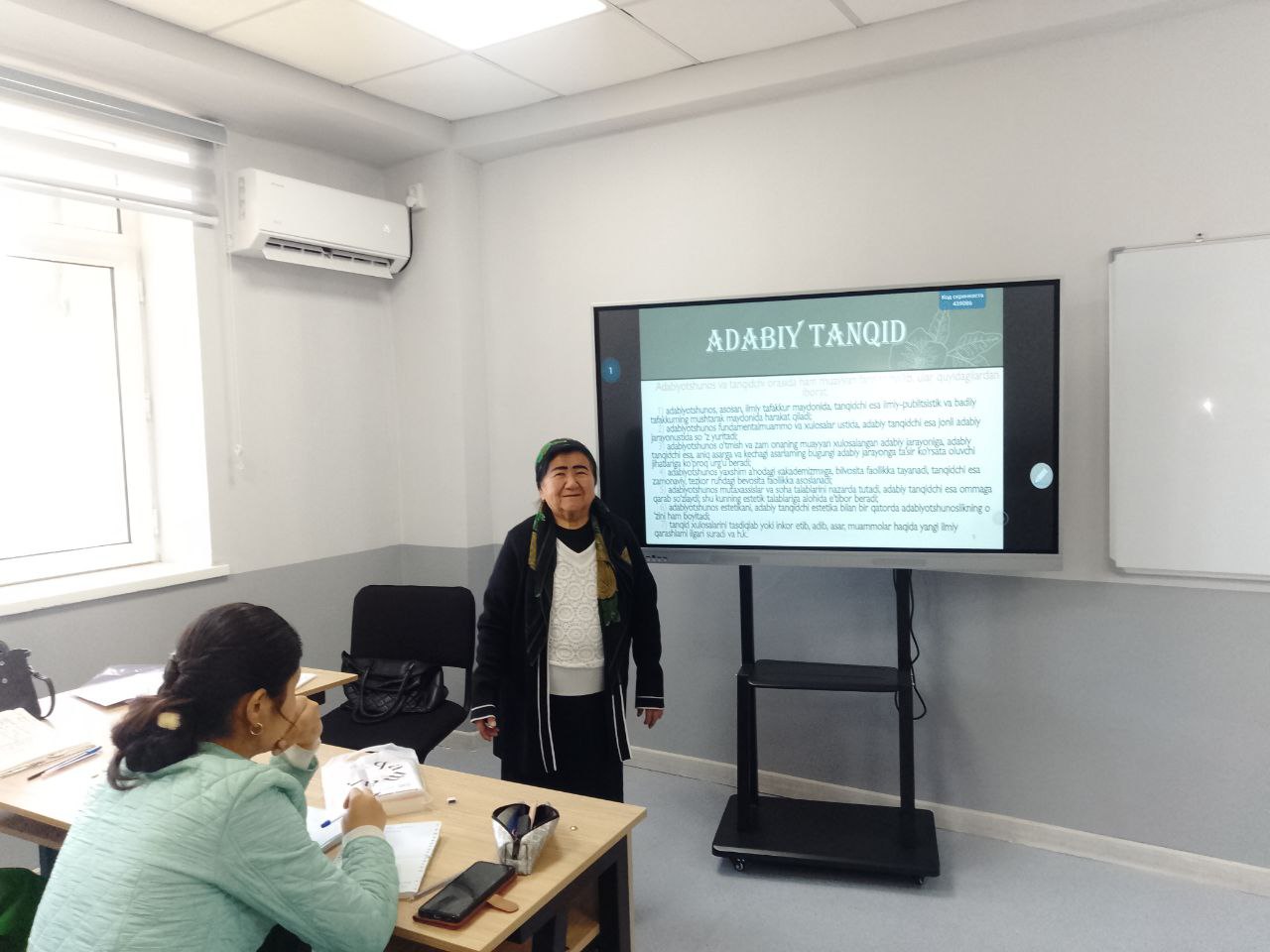
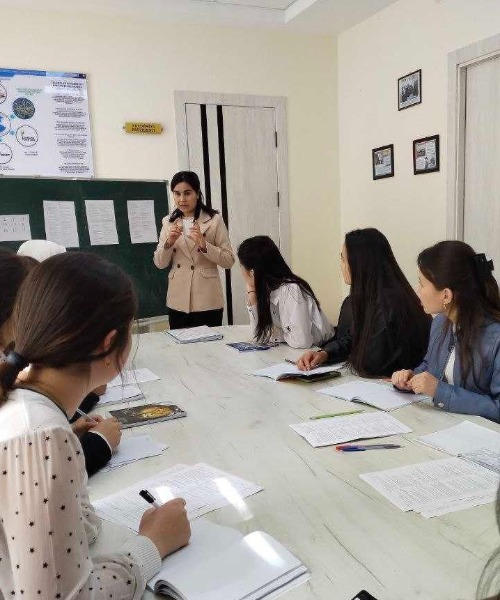
Usmanova Ziyoda Ilhomjon kizi
Department teacher
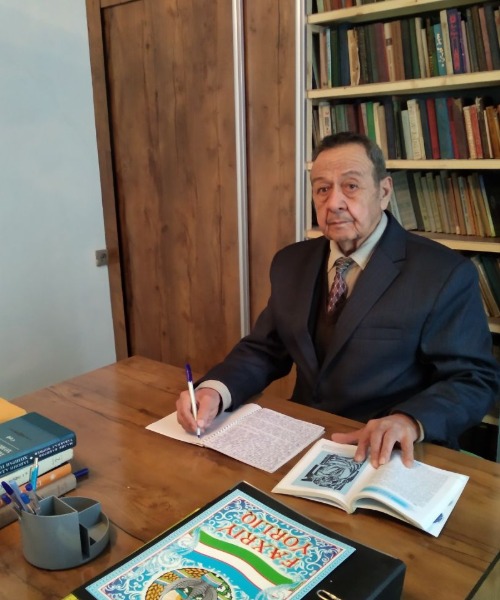
Malik Kabirov
Kafedra dotsenti
Candidate of Philological Sciences
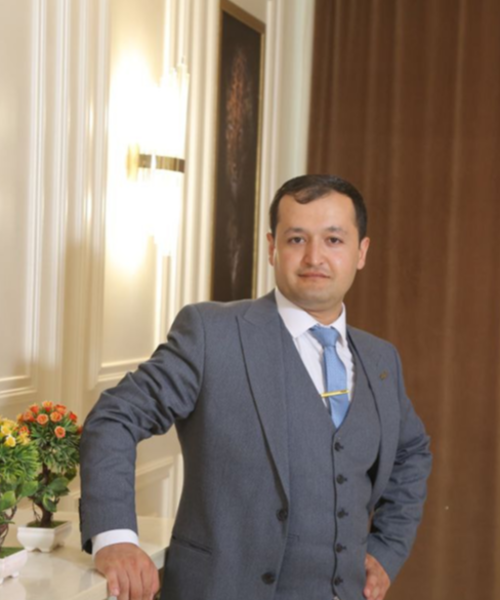



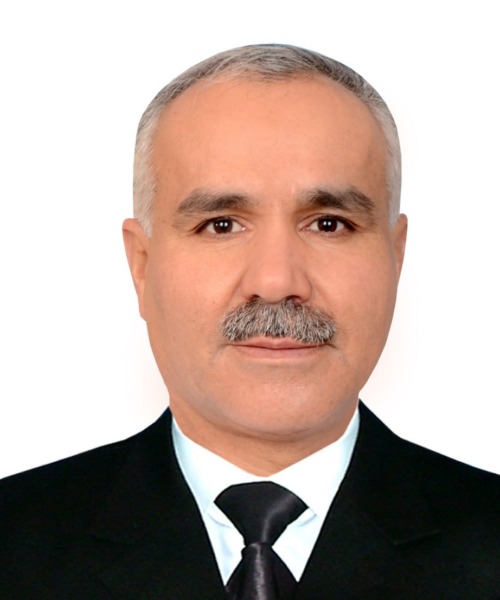
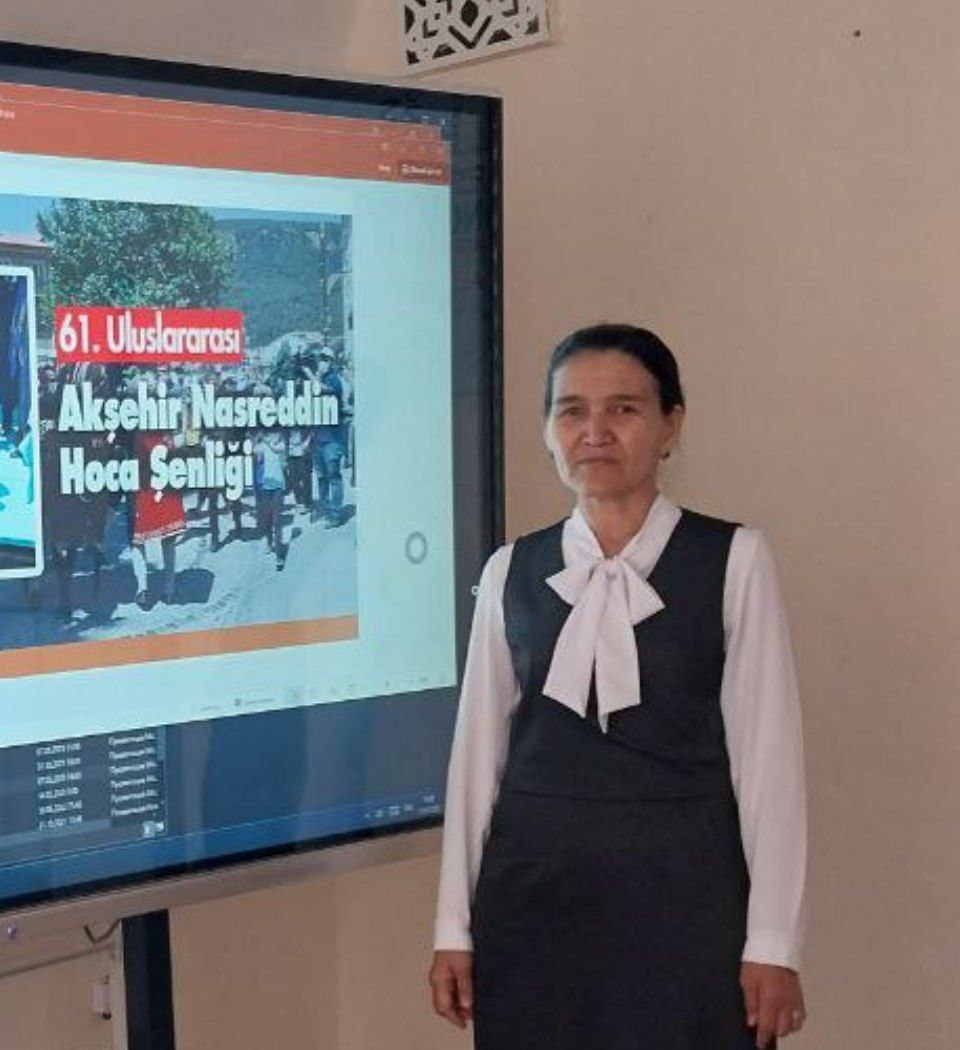
Hikmatov Hikmat Sultonovich
Katta o‘qituvchi
Muydinova Arofatoy Urinovna
O'zbek adabiyotshunosligi kafedrasi dotsenti v.b.
Doctor of Philosophy (PhD) in Philological Sciences
The Event Entitled "The Harmony of Word and Conscience"
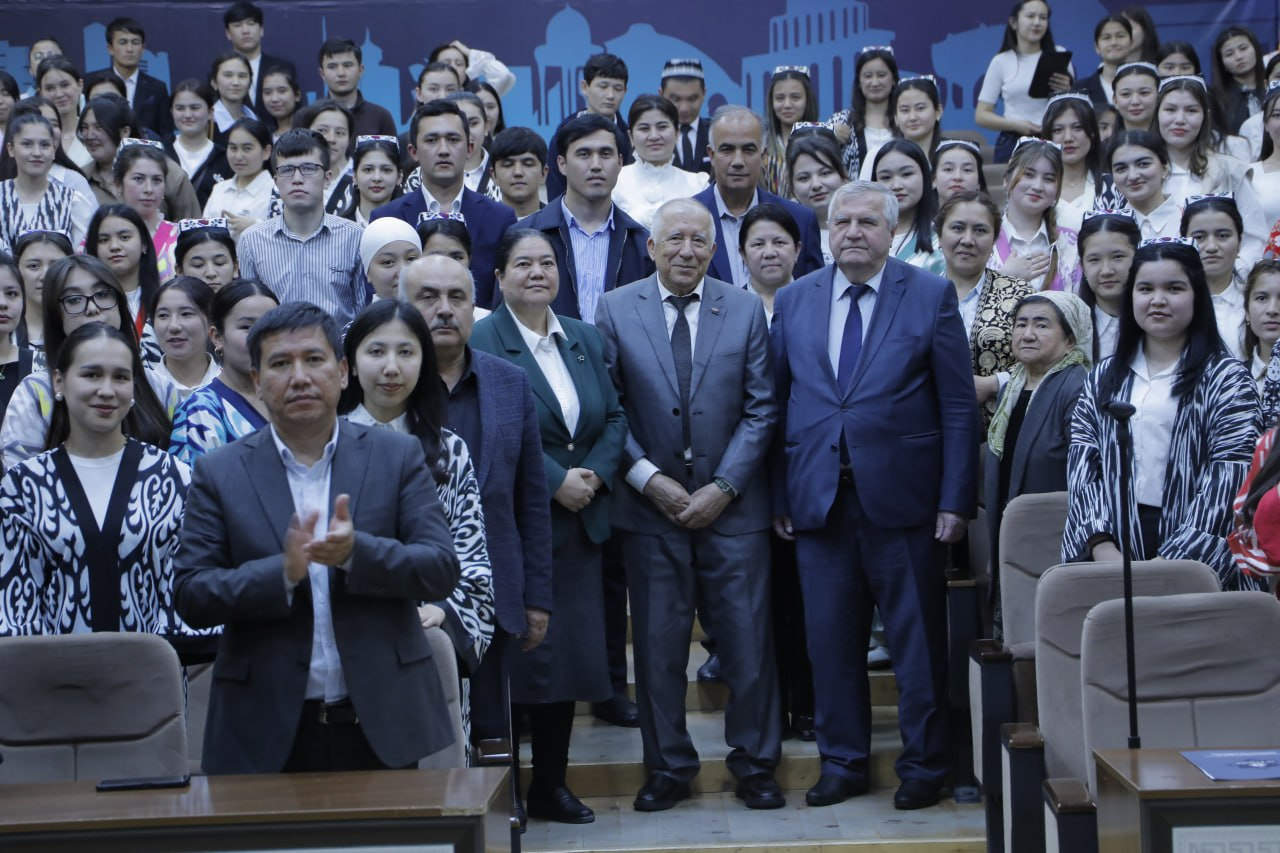
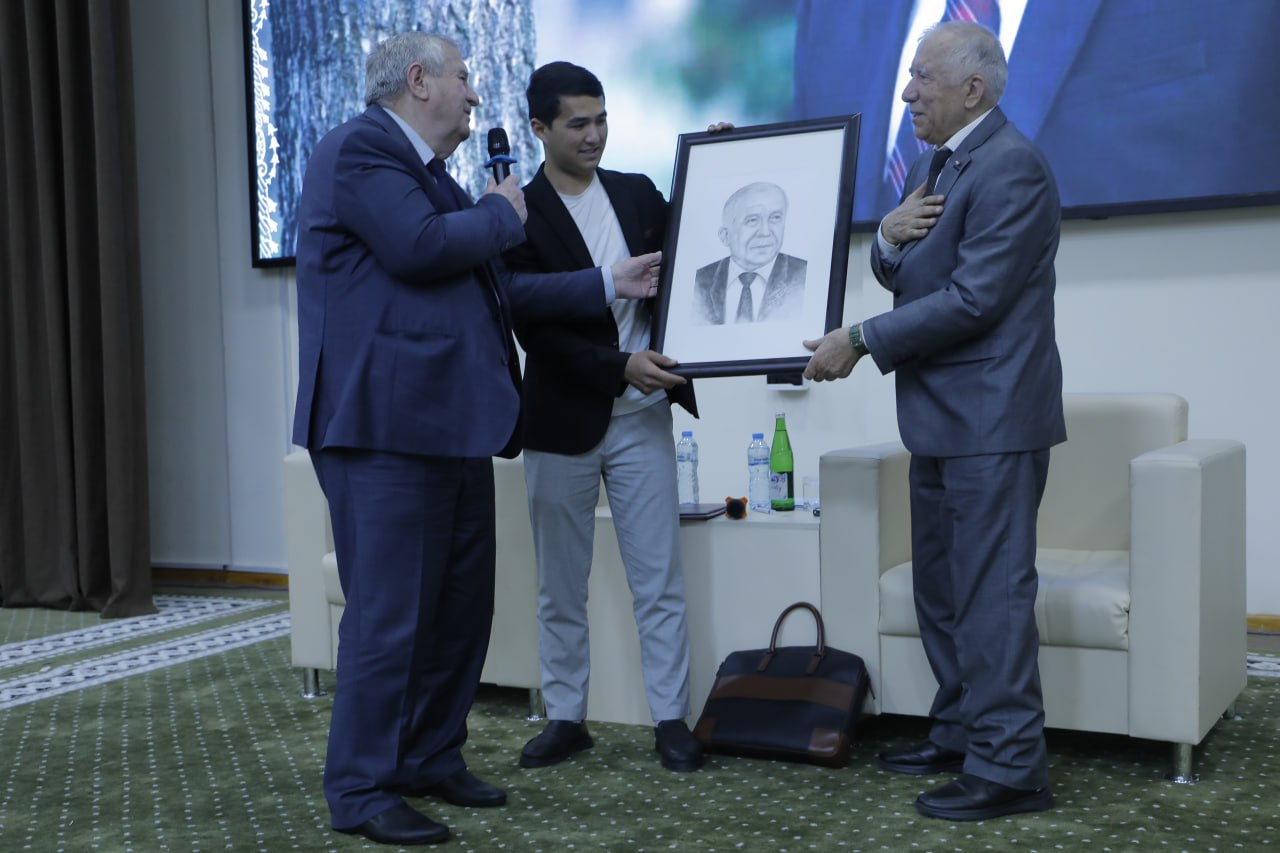
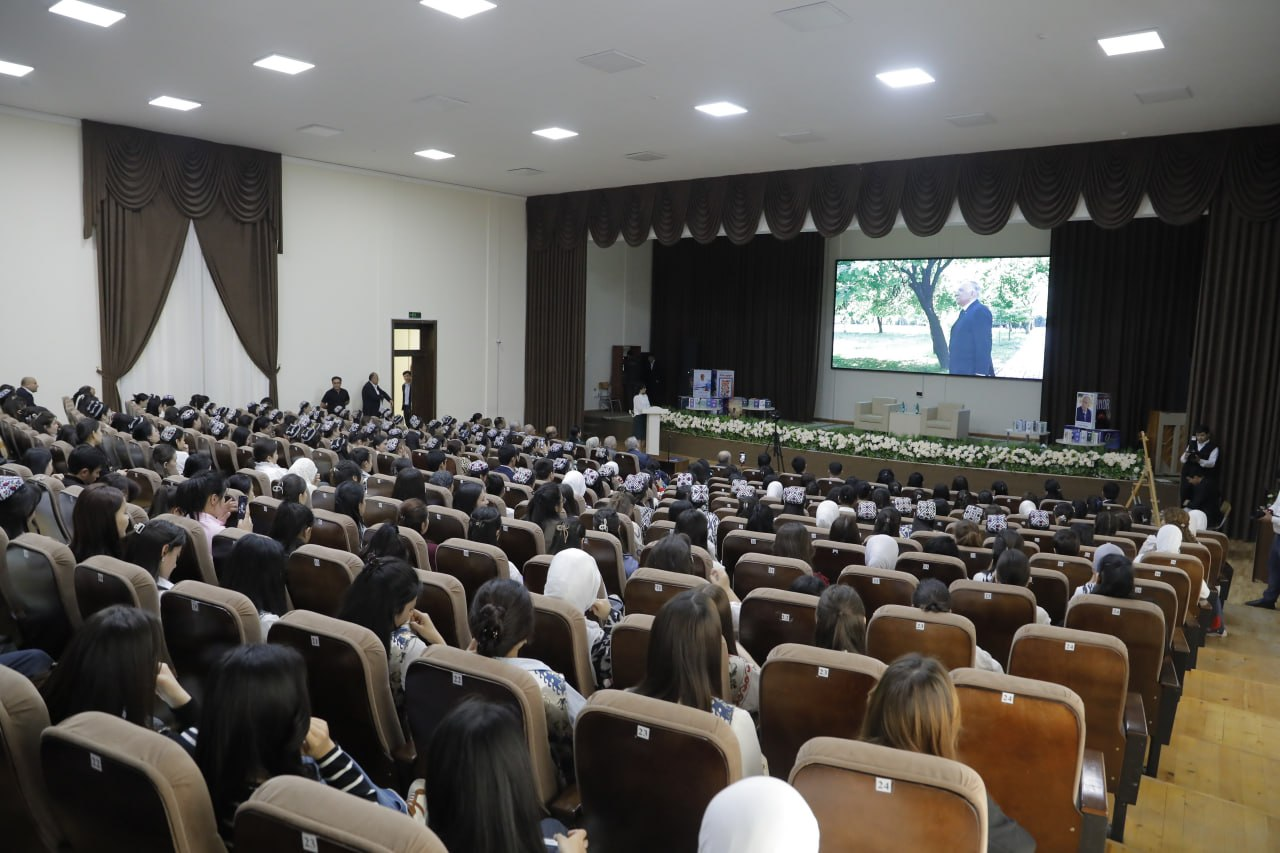
On April 21, 2026, a literary and artistic evening entitled "The Harmony of Word and Conscience" was held at Chirchik State Pedagogical University. The event was attended by the professors and lecturers of the Department of Uzbek Literary Studies of the Faculty of Humanities, as well as undergraduate and graduate students majoring in Uzbek Language and Literature. The special guest of the event was O‘tkir Rahmat, a renowned writer and publicist, laureate of the International Cholpon Prize, and Editor-in-Chief of the newspapers Xalq so‘zi and Narodnoye slovo.
During the meeting, participants discussed the writer's creative and journalistic activities, as well as his contribution to the development of the national press. As part of the event, O‘tkir Rahmat was ceremoniously awarded the title of Honorary Professor of the University. Students actively participated in the literary evening by presenting poems, songs, and theatrical performances. The young participants had an opportunity to engage in an open dialogue with the writer and receive answers to their questions. The event was held in a sincere and spiritually enriching atmosphere.
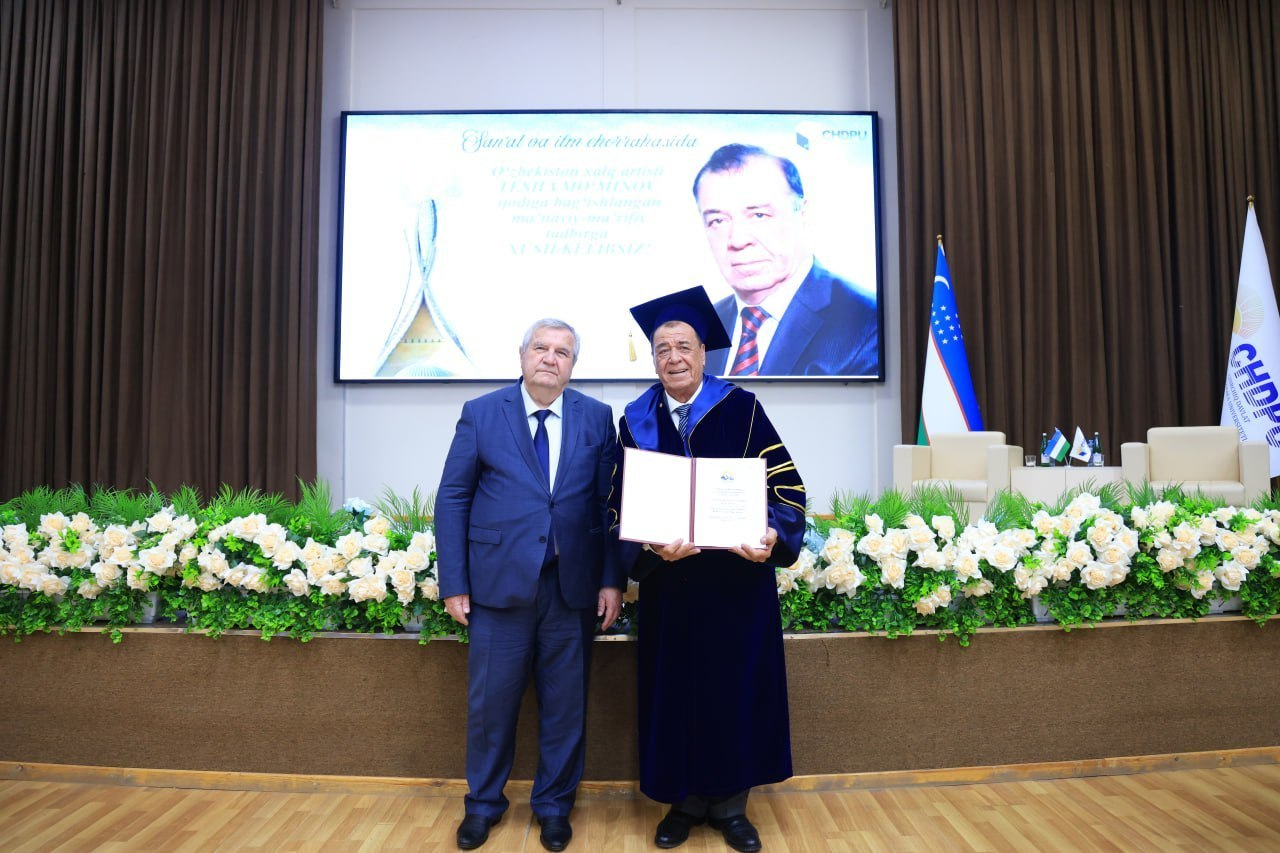
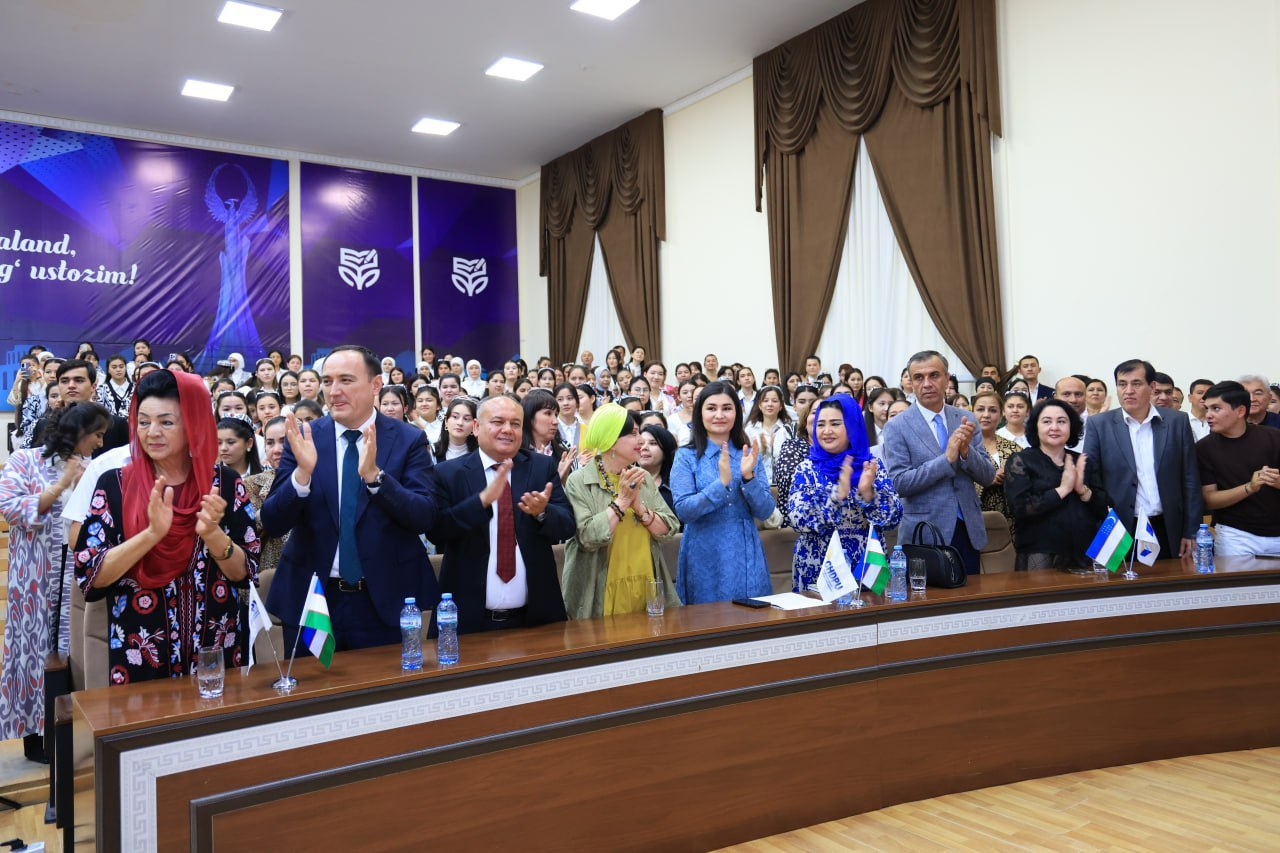
At the Crossroads of Art and Science: A Look at Tesha Mo‘minov's Creative Legacy
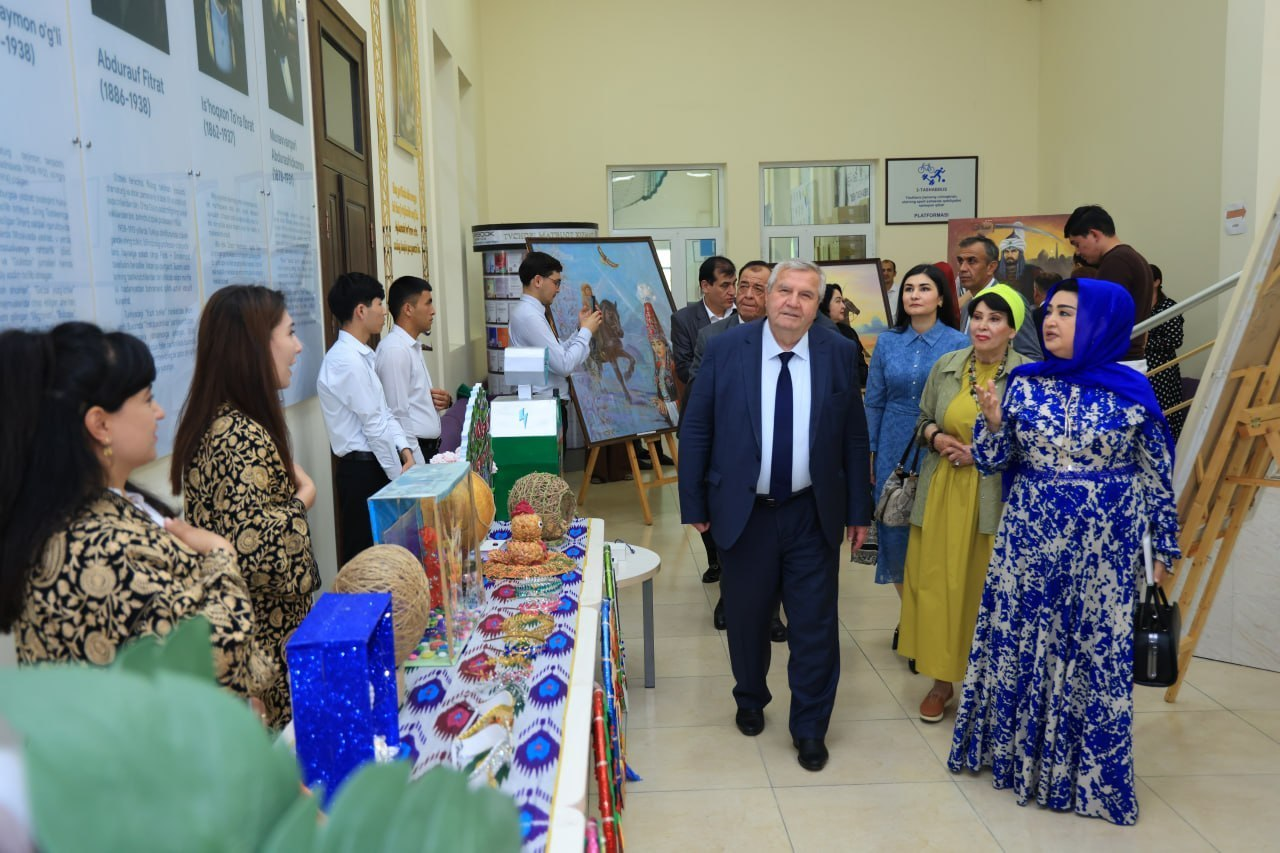
A creative evening entitled "At the Crossroads of Art and Science" was held at Chirchik State Pedagogical University to promote theatrical art. During the event, attention was given to the life journey of Tesha Mo‘minov, People's Artist of Uzbekistan and actor of the Uzbek National Academic Drama Theatre. His youthful enthusiasm, the lessons learned from his mentors, and the process of working on stage roles were discussed in detail.
The event was enriched by speeches delivered by People's Artists of Uzbekistan Muqaddas Holiqova and Gavhar Zokirova; Honored Artists of Uzbekistan and Karakalpakstan Ra'no Yarasheva and Tolib Mo‘minov; theatre actors Davron Karimov and Sharofiddin Muzropov; and Shahribonu Imomova, Editor-in-Chief of the joint editorial board of the journals Guliston and Theatre. Their presentations highlighted the importance of Tesha Mo‘minov's artistic legacy in promoting Uzbek theatrical culture.
During the evening, artists introduced students to refined and sophisticated examples of Uzbekistan's classical theatrical heritage through performances from the National Theatre repertoire. These presentations attracted considerable interest from the university community, scholars of the arts, and students. The audience had a unique opportunity to witness live performances by distinguished actors and gain a deeper understanding of the subtle aspects of Uzbek theatrical art.
One of the most significant moments of the event was the awarding of the title of Honorary Professor of Chirchik State Pedagogical University to Tesha Husainovich Mo‘minov, People's Artist of Uzbekistan and recipient of the State Prize. This recognition was warmly welcomed and applauded by representatives of the Uzbek National Academic Drama Theatre.
Participants were also introduced to the historical roots of theatrical art, its artistic and aesthetic characteristics, and the outstanding figures who have contributed to the development of Uzbek theatre.
Furthermore, graduate students of the Faculty of Humanities and members of the student theatre group Mehr presented excerpts from the characters portrayed by Tesha Mo‘minov. Throughout the evening, students performed dramatic monologues.
This creative event was organized within the framework of Youth Day celebrations. It fostered students' interest in Uzbek theatrical art and made a meaningful contribution to promoting the rich heritage of theatre within the university environment.